Janmashtami 2026 Guide
Krishna Janmashtami 2026: Date, Nishita Puja Time, Vrat, Parana, Mantras and Complete Puja Vidhi
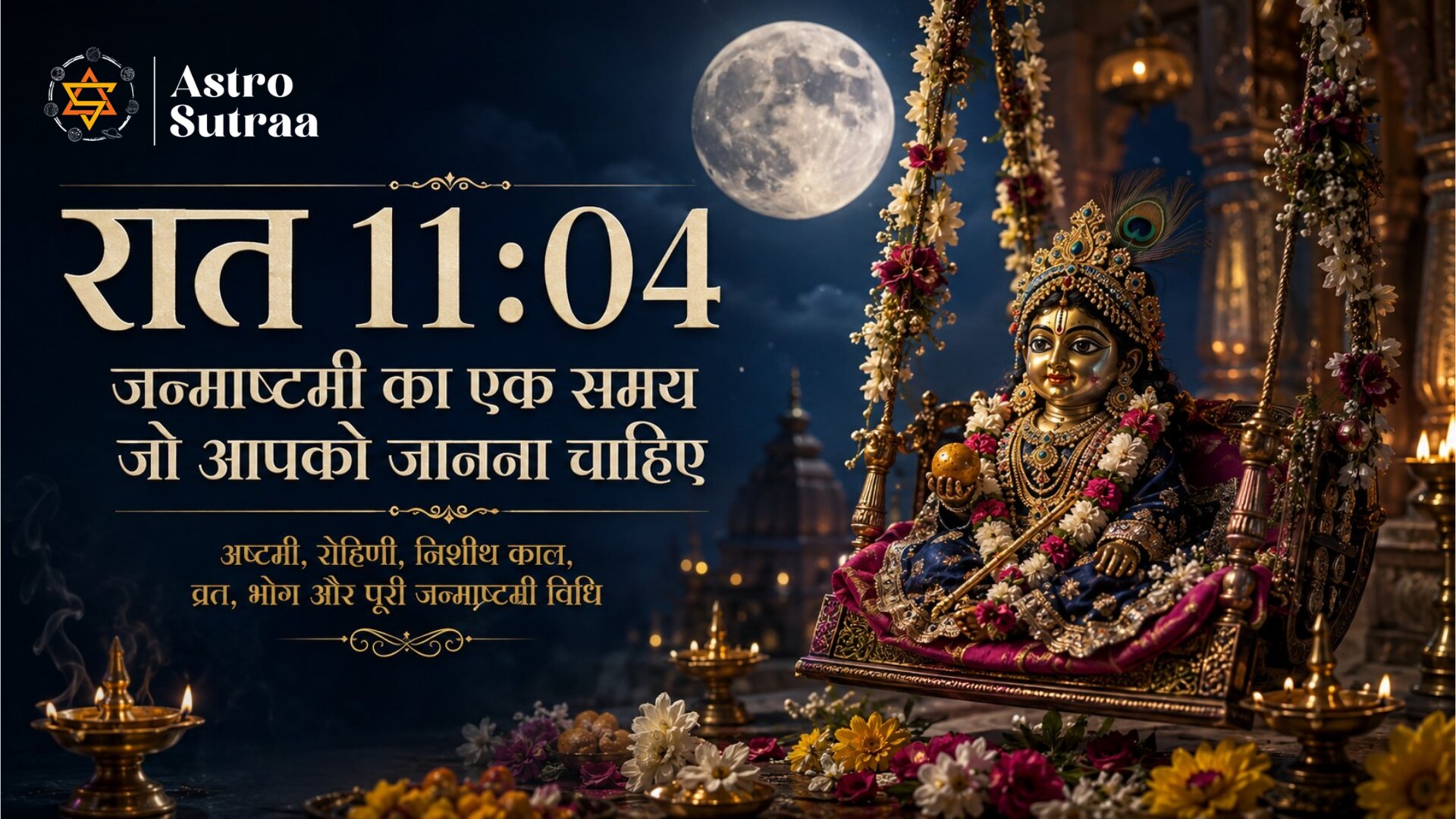
Krishna Janmashtami is one of the most loved festivals in the Hindu calendar. It celebrates the birth of Lord Krishna, the eighth avatar of Lord Vishnu, and is observed with fasting, bhajan, Krishna naam japa, midnight worship and the ceremonial bathing and shringar of Laddu Gopal.
Krishna Janmashtami will be celebrated on Friday, 4 September 2026. For New Delhi, the main Nishita Kaal Puja is expected to be from 11:57 PM on 4 September to 12:43 AM on 5 September. Devotees observing the traditional complete fast may perform Parana after approximately 6:01 AM on Saturday, 5 September 2026.
When is Krishna Janmashtami in 2026?
In 2026, Shri Krishna Janmashtami falls on Friday, 4 September. The festival is observed during Krishna Paksha Ashtami of the Bhadrapada month.
Since Lord Krishna is traditionally believed to have appeared at midnight, the most important worship is performed during Nishita Kaal, the sacred midnight period calculated according to the local Panchang.
| Janmashtami Event | Date and Time for New Delhi |
|---|---|
| Krishna Janmashtami | Friday, 4 September 2026 |
| Ashtami Tithi Begins | 2:25 AM, 4 September 2026 |
| Ashtami Tithi Ends | 12:13 AM, 5 September 2026 |
| Rohini Nakshatra Begins | 12:29 AM, 4 September 2026 |
| Rohini Nakshatra Ends | 11:04 PM, 4 September 2026 |
| Nishita Kaal Puja | 11:57 PM to 12:43 AM |
| Traditional Parana | After approximately 6:01 AM, 5 September 2026 |
| Nandotsav and Dahi Handi | Saturday, 5 September 2026 |
What is Nishita Kaal and why is it important?
Nishita Kaal is the traditional midnight period used for Krishna Janmashtami worship. It represents the part of the night associated with the appearance of Lord Krishna.
This is why temples and homes usually begin preparing for the main Janmashtami ceremony shortly before midnight.
At this time devotees perform Laddu Gopal Abhishek, offer new clothes and ornaments, sing bhajans, offer bhog and celebrate Krishna Janma.
For Delhi in 2026, Nishita Kaal begins at approximately 11:57 PM on 4 September.
Janmashtami 2026 Nishita Puja Time in Major Cities
| City | Nishita Kaal |
|---|---|
| New Delhi | 11:57 PM to 12:43 AM |
| Noida | 11:57 PM to 12:42 AM |
| Gurugram | 11:58 PM to 12:44 AM |
| Jaipur | 12:03 AM to 12:49 AM |
| Mumbai | 12:14 AM to 1:01 AM |
| Pune | 12:10 AM to 12:57 AM |
| Bengaluru | 11:55 PM to 12:42 AM |
| Hyderabad | 11:52 PM to 12:38 AM |
| Chennai | 11:45 PM to 12:31 AM |
| Kolkata | 11:13 PM to 11:59 PM |
How to Observe Krishna Janmashtami Vrat
There is no need to turn Janmashtami fasting into a test of endurance. Different families follow different traditions, and the form of fasting may also depend on health, age and personal capacity.
The spiritual idea behind upavasa is to spend the day closer to Bhagavan through prayer, restraint and remembrance.
1. Nirjala Vrat
This is the strictest form of Janmashtami fast. No food or water is taken during the fasting period.
It is usually followed only by people who are accustomed to such fasting and are physically comfortable doing so.
2. Phalahari Vrat
This is one of the most common ways of observing Janmashtami at home. Fruits and permitted fasting foods can be consumed during the day.
Common options include:
- Fresh fruits
- Milk
- Curd
- Coconut water
- Makhana
- Dry fruits and nuts
- Sabudana
- Kuttu atta
- Singhara atta
- Rajgira
- Sendha namak
3. Milk and Fruit Fast
Devotees who want to keep the day light can have fruits, milk, nuts and water while avoiding regular meals.
This can be a comfortable option for people who also wish to remain awake for the midnight puja.
4. Simple Satvik Fast
Elderly people, children, pregnant women, people taking regular medication or anyone unable to keep a strict fast may choose a simple satvik diet.
The purpose of Janmashtami is bhakti. A person's devotion is not measured by how much physical discomfort they can tolerate.
What Should Be Avoided During Janmashtami Vrat?
Devotees following a traditional Janmashtami fast generally avoid regular grains and tamasic foods.
- Rice
- Wheat
- Regular flour
- Dal and pulses
- Onion
- Garlic
- Eggs
- Meat and fish
- Alcohol
- Tobacco
Vrat is also meant to bring discipline to our thoughts and behaviour. Avoid unnecessary arguments, anger, gossip and harsh speech as much as possible.
What to Do on the Morning of Janmashtami
Begin the day with a bath and wear clean clothes. Clean the home temple or puja area and arrange the items required for the evening worship.
Light a diya and remember Shri Krishna, Radha Rani, Devaki, Vasudeva, Nanda Baba and Yashoda Maiya.
You may then take a simple Sankalpa for your Janmashtami vrat.
“On the sacred occasion of Shri Krishna Janmashtami, I observe this vrat and worship Lord Krishna with devotion. May Shri Krishna accept my prayer, forgive any mistakes in my worship and guide my thoughts and actions towards Dharma and Bhakti.”
Complete Janmashtami Puja Samagri Checklist
You do not need every item on this list to perform Janmashtami puja. Keep what is normally used in your family tradition.
Laddu Gopal and Altar
- Laddu Gopal or Bal Krishna murti
- Small chowki or singhasan
- Jhula
- Clean cloth
- Flowers
- Peacock feather
- Small flute
For Abhishek
- Clean water
- Gangajal
- Milk
- Curd
- Honey
- Ghee
- Mishri or sugar
- Panchamrit
For Shringar
- Fresh clothes for Laddu Gopal
- Mukut
- Mor pankh
- Jewellery
- Flower mala
- Chandan
Regular Puja Items
- Diya
- Cotton wick
- Ghee or oil
- Dhoop or incense
- Camphor
- Flowers
- Tulsi leaves
- Roli or chandan
- Bell
- Shankh
Bhog
- Makhan
- Mishri
- Panchamrit
- Fresh fruits
- Dry fruits
- Panjiri
- Makhana
- Homemade satvik sweets
How to Perform Krishna Janmashtami Puja at Home
A traditional Krishna puja can follow Shodashopachara Puja, which means offering sixteen forms of respect and seva to the deity.
For a home celebration, the ritual can be kept simple while retaining the traditional sequence.
Step 1: Prepare the Altar
Place Laddu Gopal or Shri Krishna on a clean and decorated altar. You can decorate the space with flowers, rangoli, lights and a small jhula.
Step 2: Light the Diya
Light a diya and incense. Sit quietly for a minute before beginning the puja.
Step 3: Krishna Dhyan
Close your eyes and remember Shri Krishna.
Om Shri Krishnaya Namah
You may chant this mantra 11, 21 or 108 times.
Step 4: Avahan
Invite Bal Krishna to accept your worship.
Om Shri Balakrishnaya Namah, Avahayami
Step 5: Offer Asana
Offer a flower at Krishna's feet and mentally offer Him a divine seat.
Step 6: Offer Padya, Arghya and Achaman
Offer a small quantity of clean water symbolically as Padya for the feet, Arghya as a respectful offering and Achamaniya for purification.
How to Perform Laddu Gopal Abhishek at Midnight
The midnight Abhishek is one of the most beautiful moments of Janmashtami.
If you are in Delhi or NCR, begin arranging everything before 11:57 PM so the actual ceremony can be performed comfortably during Nishita Kaal.
You may bathe Laddu Gopal gently in the following order:
- Clean water
- Milk
- Curd
- Ghee
- Honey
- Mishri water or sugar
- Panchamrit
- Clean water or Gangajal at the end
During the Abhishek, chant:
Om Namo Bhagavate Vasudevaya
After Abhishek, gently dry the murti with a clean cloth before beginning the shringar.
Laddu Gopal Shringar
After the Abhishek, dress Laddu Gopal in clean clothes.
You may offer:
- Mukut
- Mor pankh
- Flower mala
- Jewellery
- Chandan
- Flute
Once the shringar is complete, place Bal Krishna on the singhasan or jhula.
Why is Tulsi Offered to Shri Krishna?
Tulsi holds a special place in Vaishnava worship and is traditionally offered to Lord Vishnu and Shri Krishna.
A Tulsi leaf may be placed on the food before offering the bhog to Krishna.
If possible, collect Tulsi leaves earlier in the day instead of plucking them late at night.
What Bhog Can Be Offered on Janmashtami?
Janmashtami bhog does not have to be elaborate. A small homemade offering made with care is perfectly suitable.
Makhan Mishri
Makhan Mishri is one of the most popular Janmashtami offerings because of Krishna's childhood love for butter.
Dhaniya Panjiri
Dhaniya Panjiri is commonly prepared as Janmashtami prasadam in North Indian homes and temples.
Panchamrit
Panchamrit is usually prepared with milk, curd, ghee, honey and sugar or mishri.
Fresh Fruits
Seasonal fruits such as banana, apple, pomegranate, grapes and other fresh fruit may be offered.
Satvik Sweets
Peda, makhana kheer and other homemade sweets can also be included.
Important Krishna Mantras for Janmashtami
Krishna Mantra
Om Krishnaya Namah
Vasudeva Mantra
Om Namo Bhagavate Vasudevaya
Krishna Beej Mantra
Om Kleem Krishnaya Namah
Prayer to Shri Krishna
देवकीपरमानन्दं कृष्णं वन्दे जगद्गुरुम्॥
Meaning: I bow to Shri Krishna, the son of Vasudeva, the source of joy for Devaki and the divine teacher of the world.
Hare Krishna Mahamantra
कृष्ण कृष्ण हरे हरे।
हरे राम हरे राम
राम राम हरे हरे॥
This mantra can be chanted throughout the day, while preparing bhog, during bhajan or while waiting for the midnight Janma celebration.
What to Do at Krishna Janma Time
As midnight approaches, gather the family around the puja area.
At the time of Krishna Janma:
- Perform Laddu Gopal Abhishek
- Dress and decorate Bal Krishna
- Blow the shankh
- Ring the temple bell
- Offer flowers
- Perform Krishna Aarti
- Offer bhog
- Sing Krishna bhajans
- Gently swing Laddu Gopal in the jhula
Many families joyfully sing:
Should You Stay Awake on Janmashtami Night?
Many devotees observe a night vigil after the midnight celebration. Instead of simply staying awake, the time can be used for spiritual practice.
You can:
- Chant Krishna Naam
- Read the Bhagavad Gita
- Read Krishna Janma Katha
- Listen to bhajans
- Perform kirtan
- Chant Vishnu Sahasranama
- Share Krishna stories with children
- Sit quietly in meditation
The Tenth Canto of the Srimad Bhagavatam contains the beautiful account of Krishna's birth and makes meaningful reading on Janmashtami night.
Janmashtami Parana Time 2026
Parana means formally completing the vrat.
For New Delhi, devotees observing the traditional complete Janmashtami fast may perform Parana after approximately 6:01 AM on Saturday, 5 September 2026.
Traditional Parana
Those following a stricter observance usually continue the fast through the midnight puja and complete it after the prescribed morning time.
Household Practice
In many households, devotees take some Krishna prasadam after completing the midnight puja.
Family traditions differ, so if your family follows a particular sampradaya, temple or guru tradition, it is best to follow that established practice.
How to Break the Janmashtami Fast
On the morning of 5 September, freshen up and offer a brief prayer to Shri Krishna.
You can break the fast gently with:
- Tulsi water
- Panchamrit
- Krishna prasadam
- Fresh fruit
If you have kept a long or strict fast, avoid immediately eating a very heavy meal.
Nandotsav and Dahi Handi 2026
The day after Janmashtami is associated with Nandotsav, celebrating the joy in the home of Nanda Baba and Yashoda Maiya after the arrival of Bal Krishna.
Dahi Handi celebrations are also held in many parts of India, especially Maharashtra.
In 2026, Nandotsav and Dahi Handi will be observed on Saturday, 5 September.
A Simple Janmashtami 2026 Puja Schedule
Bath, clean the puja area, take Sankalpa and begin the vrat.
Read Krishna Katha, chant Krishna Naam and prepare bhog.
Decorate the temple, prepare the jhula, light the diya and begin bhajan.
Keep Panchamrit, Abhishek items, clothes and bhog ready.
Nishita Kaal begins in Delhi.
Krishna Janma Abhishek, shringar, Aarti, bhog and jhula seva.
Traditional Parana after approximately 6:01 AM.
The Spiritual Meaning of Janmashtami
It is easy to think of Janmashtami only in terms of fasting rules, puja timings and ritual preparations. These are important, but they are not the heart of the festival.
Janmashtami is an opportunity to make space for Krishna in everyday life.
Fasting reduces distraction. Bhajan directs the mind towards Bhagavan. Puja brings discipline. Krishna Katha reminds us of Dharma.
The Bhagavad Gita gives one of the simplest explanations of devotional worship. Krishna says that even a leaf, flower, fruit or water offered with devotion is accepted by Him.
So whether your Janmashtami puja is elaborate or very simple, what matters most is the sincerity with which it is performed.
Frequently Asked Questions About Krishna Janmashtami 2026
Is Janmashtami on 4 or 5 September in 2026?
Krishna Janmashtami is observed on Friday, 4 September 2026. Since the principal worship takes place around midnight, the puja continues into the early hours of 5 September.
What is Janmashtami Nishita Kaal in Delhi in 2026?
Nishita Puja time for New Delhi is approximately 11:57 PM on 4 September to 12:43 AM on 5 September 2026.
Can I drink water during Janmashtami vrat?
Yes. Water can be consumed unless you have specifically chosen to observe a Nirjala fast.
Can I eat fruits during Janmashtami?
Yes. Fruits, milk, dry fruits, makhana and permitted vrat foods are commonly consumed during a Phalahari Janmashtami fast.
Are rice and wheat allowed during Janmashtami vrat?
Traditional Janmashtami fasting usually avoids regular grains such as rice, wheat and pulses until the fast has been completed.
Do I need Laddu Gopal for Janmashtami Puja?
No. If you do not have a Laddu Gopal murti, you can worship another Krishna murti or a clean image of Shri Krishna.
Is Chappan Bhog compulsory on Janmashtami?
No. A simple bhog of fruits, makhan mishri, Tulsi and homemade satvik food offered with devotion is sufficient.
When should Janmashtami vrat be broken?
Devotees following the full traditional observance may perform Parana after approximately 6:01 AM on 5 September 2026 in New Delhi. Some household traditions take prasadam after the midnight puja.
Final Thoughts
Krishna Janmashtami 2026 will be celebrated on Friday, 4 September.
For Delhi and NCR, the main Nishita Puja period begins at approximately 11:57 PM and continues until 12:43 AM. Traditional Parana may be performed after approximately 6:01 AM on 5 September.
Prepare what you comfortably can, keep your puja sincere and spend some time remembering the teachings and life of Shri Krishna.
Jai Shri Krishna!